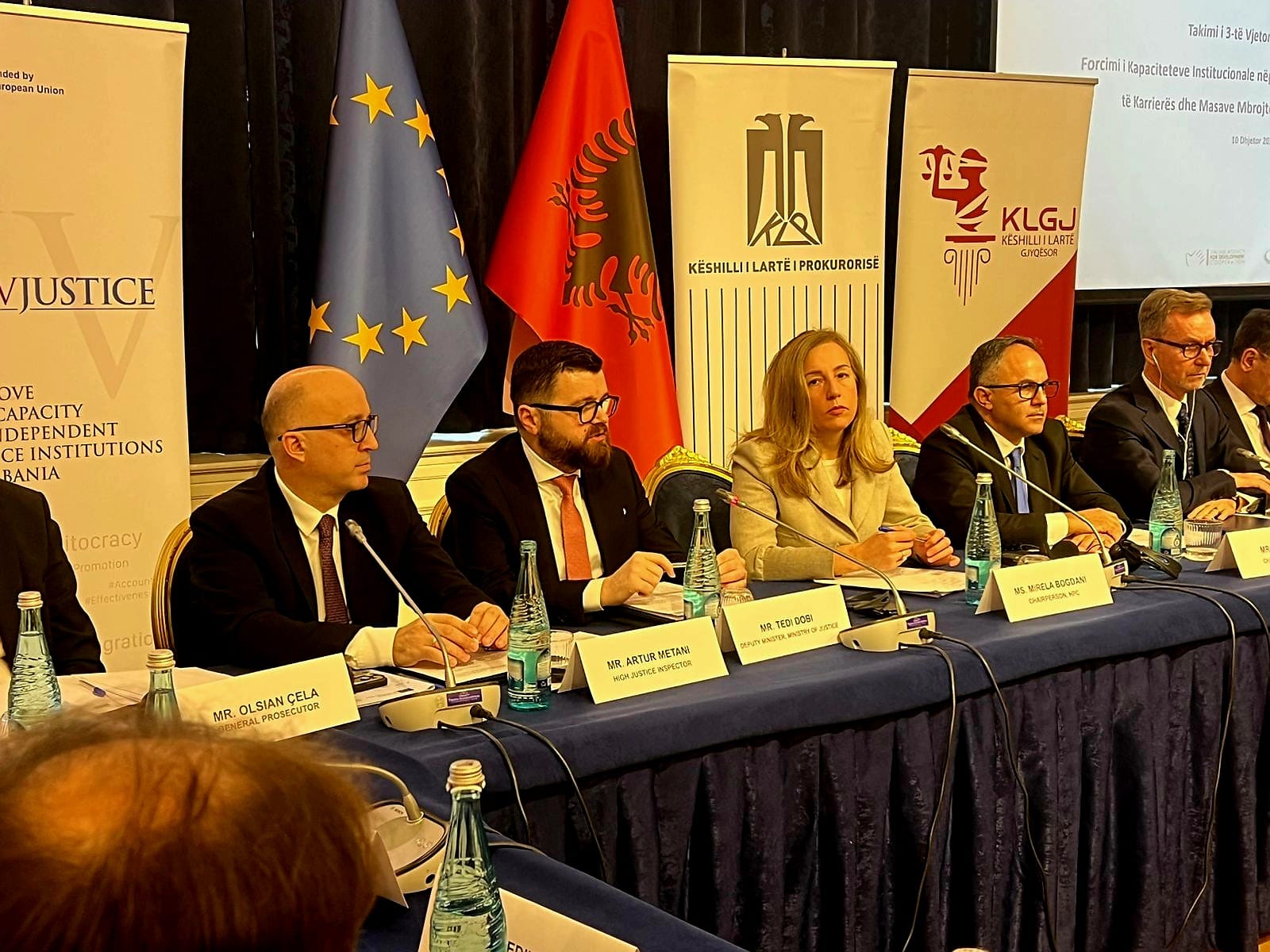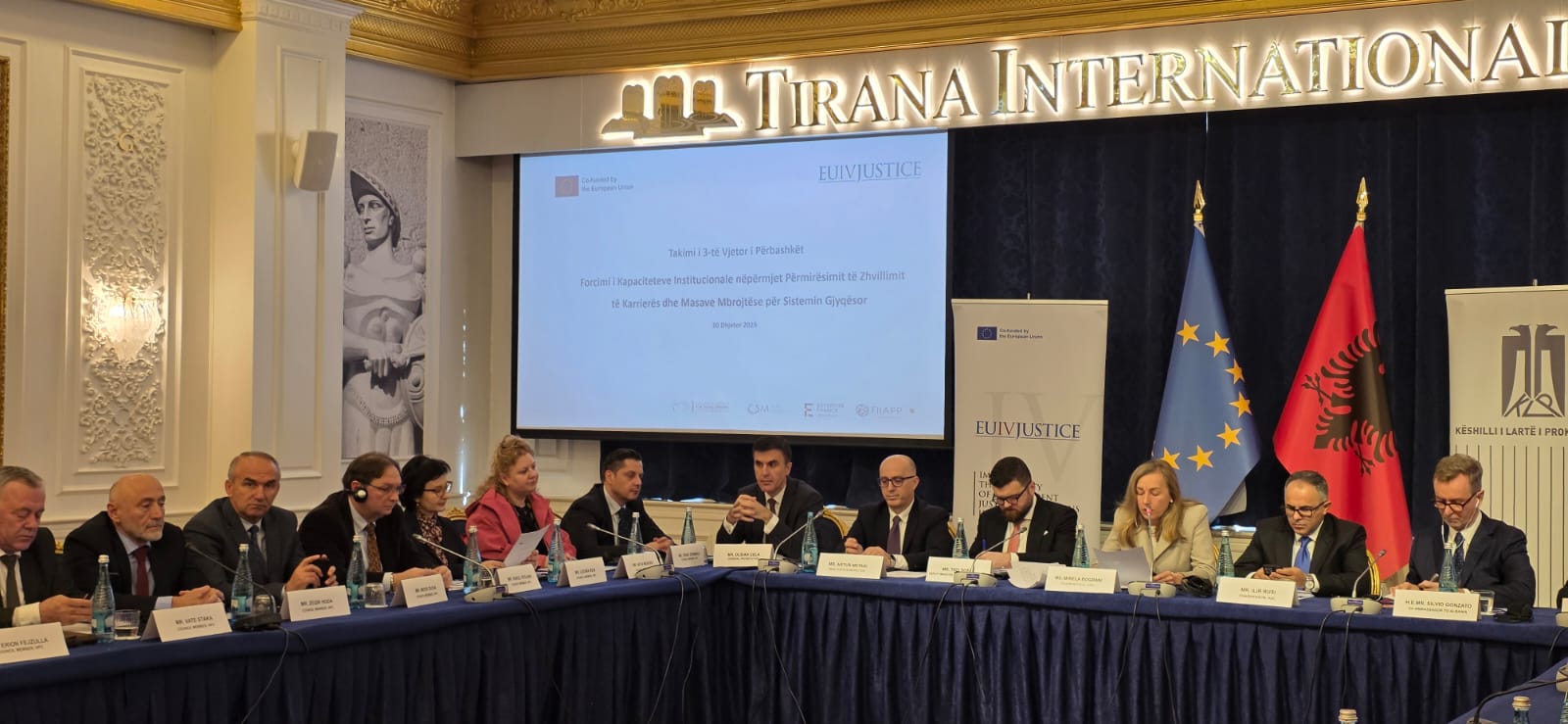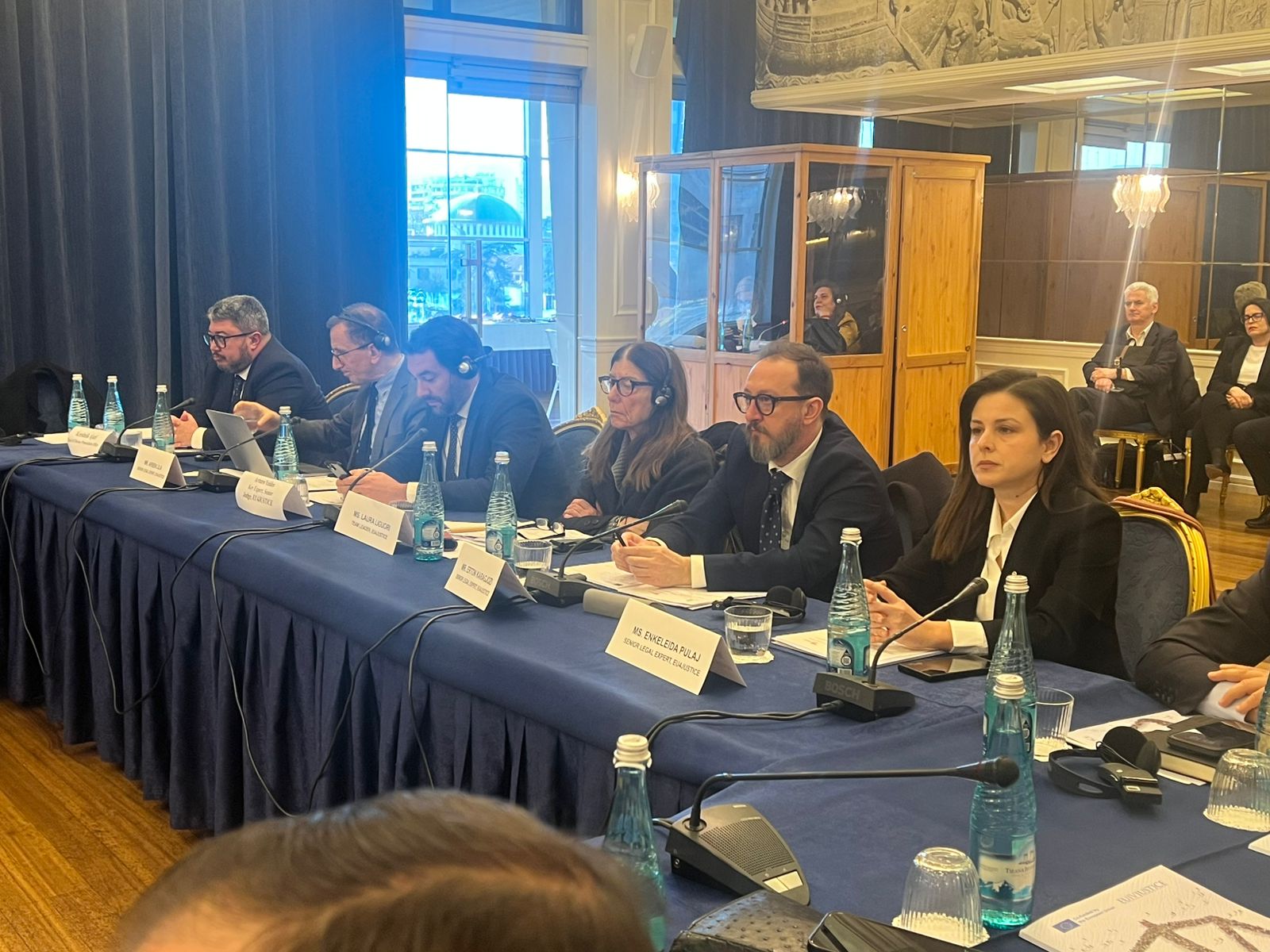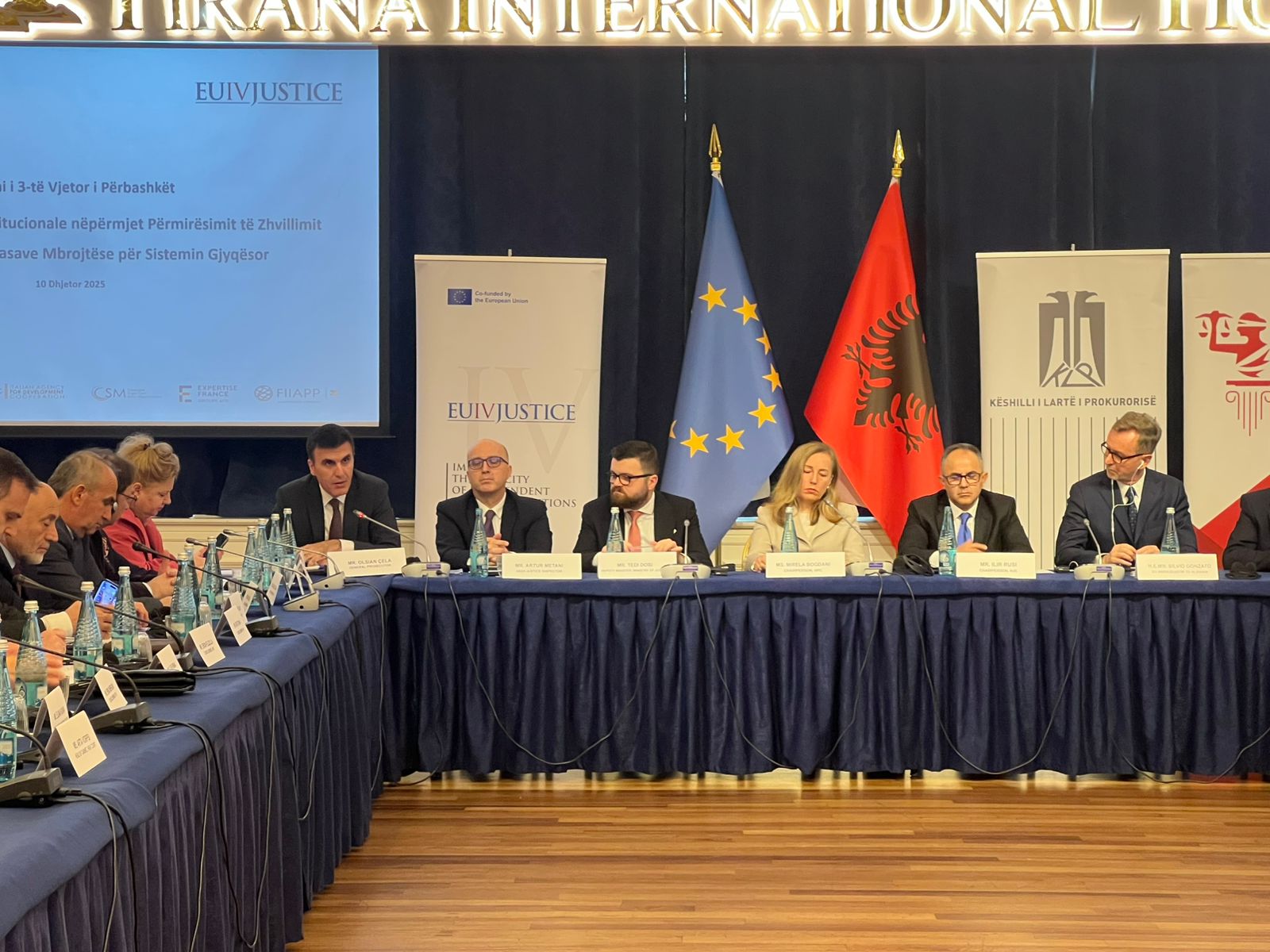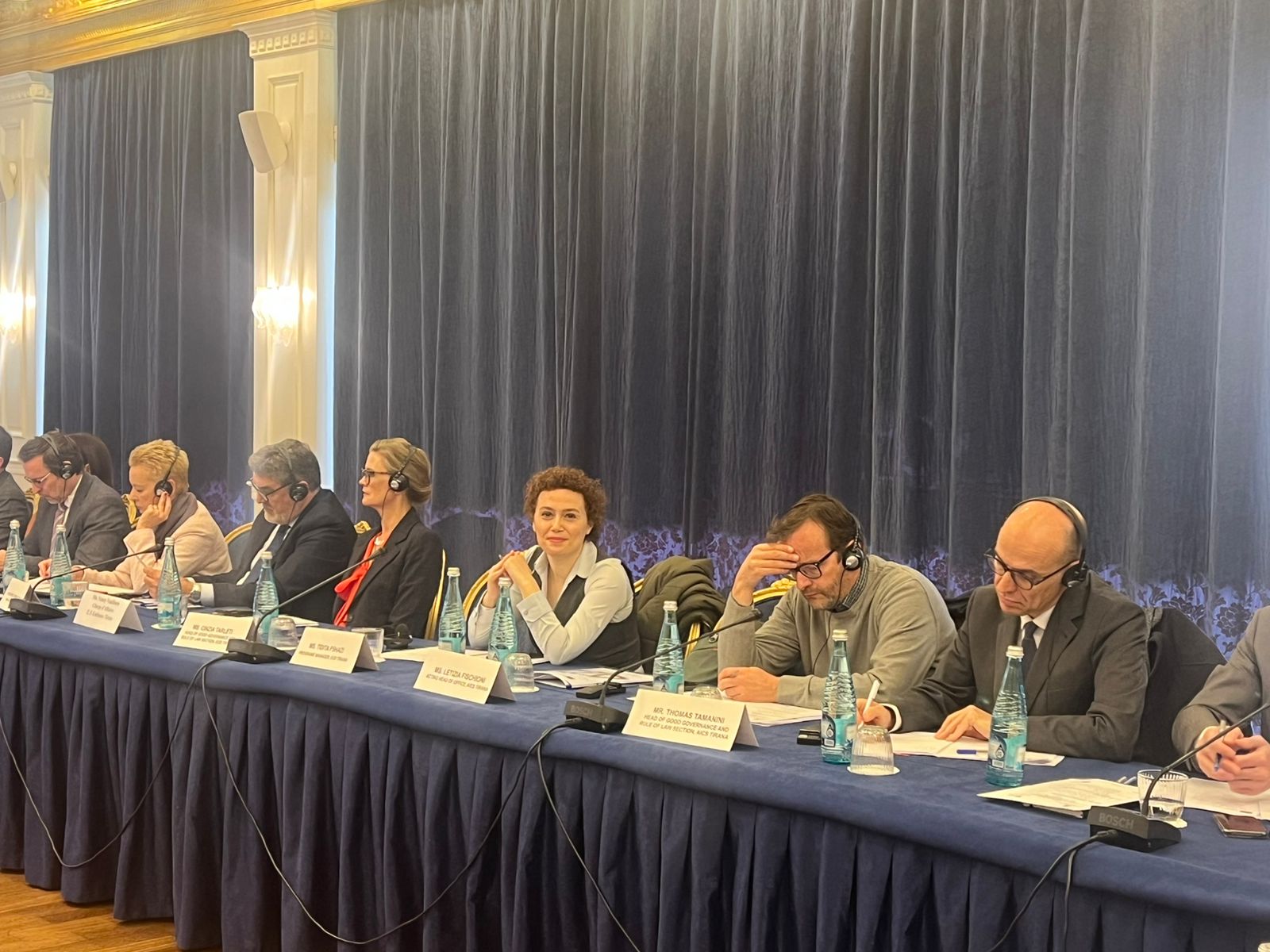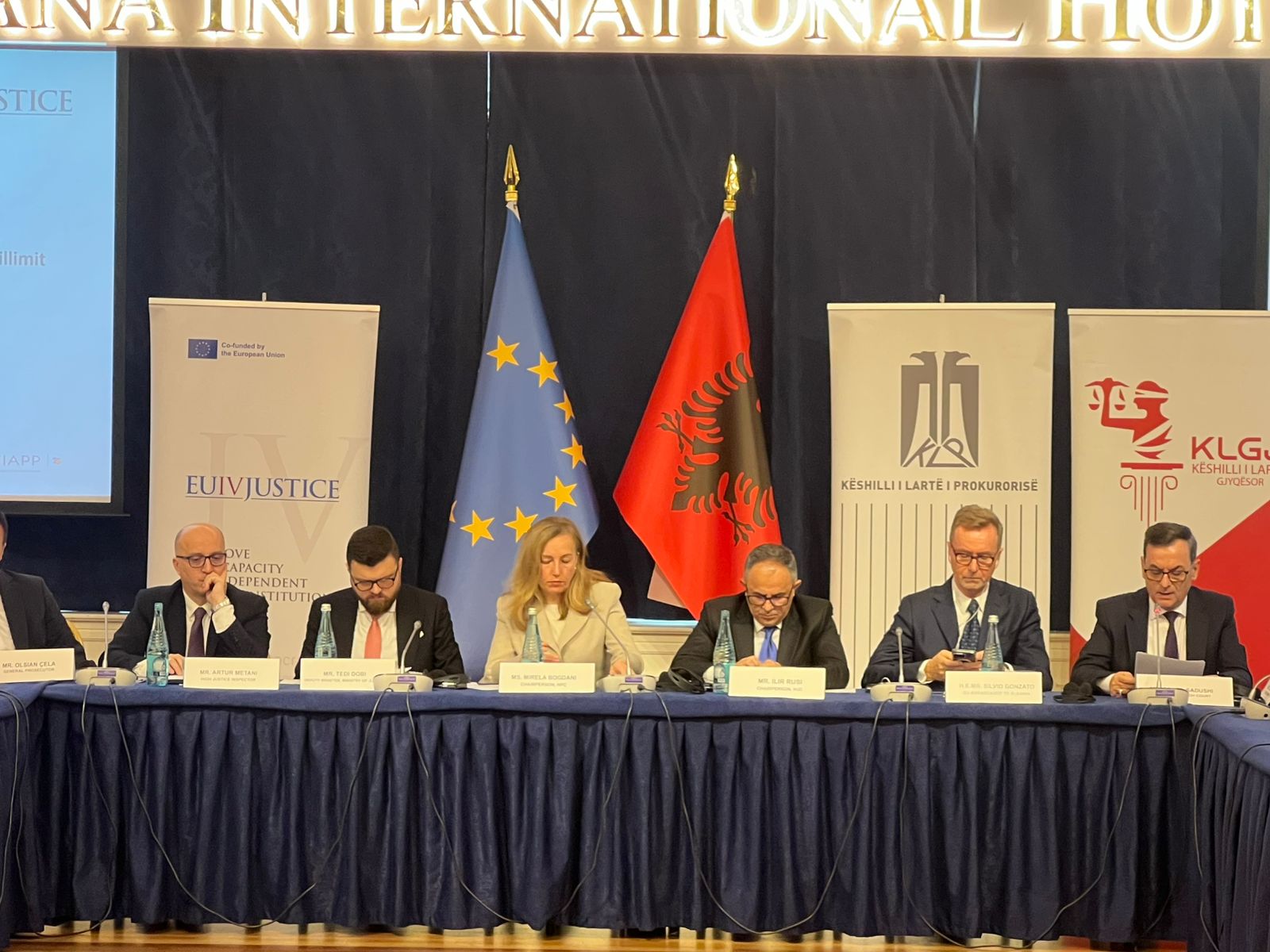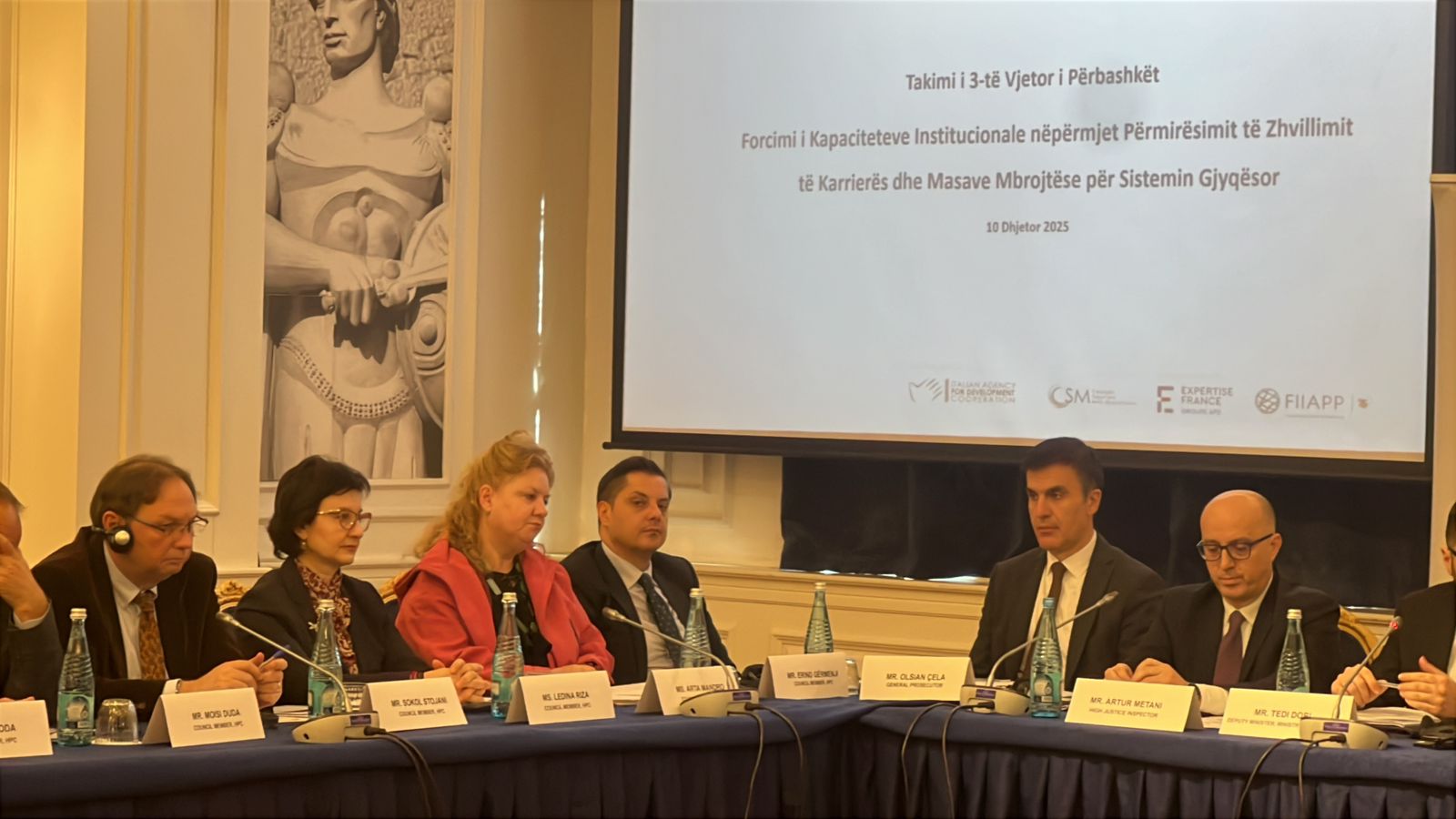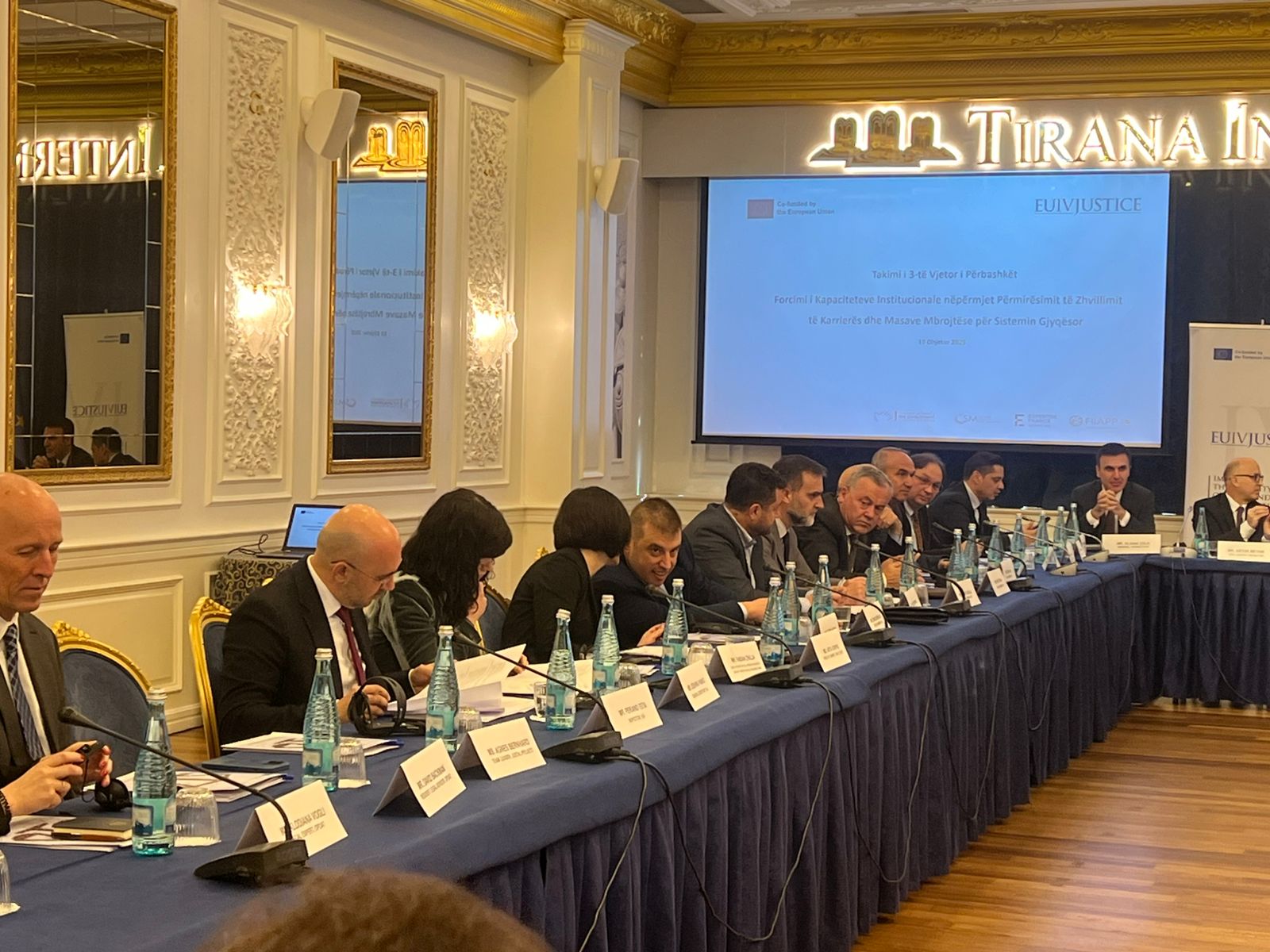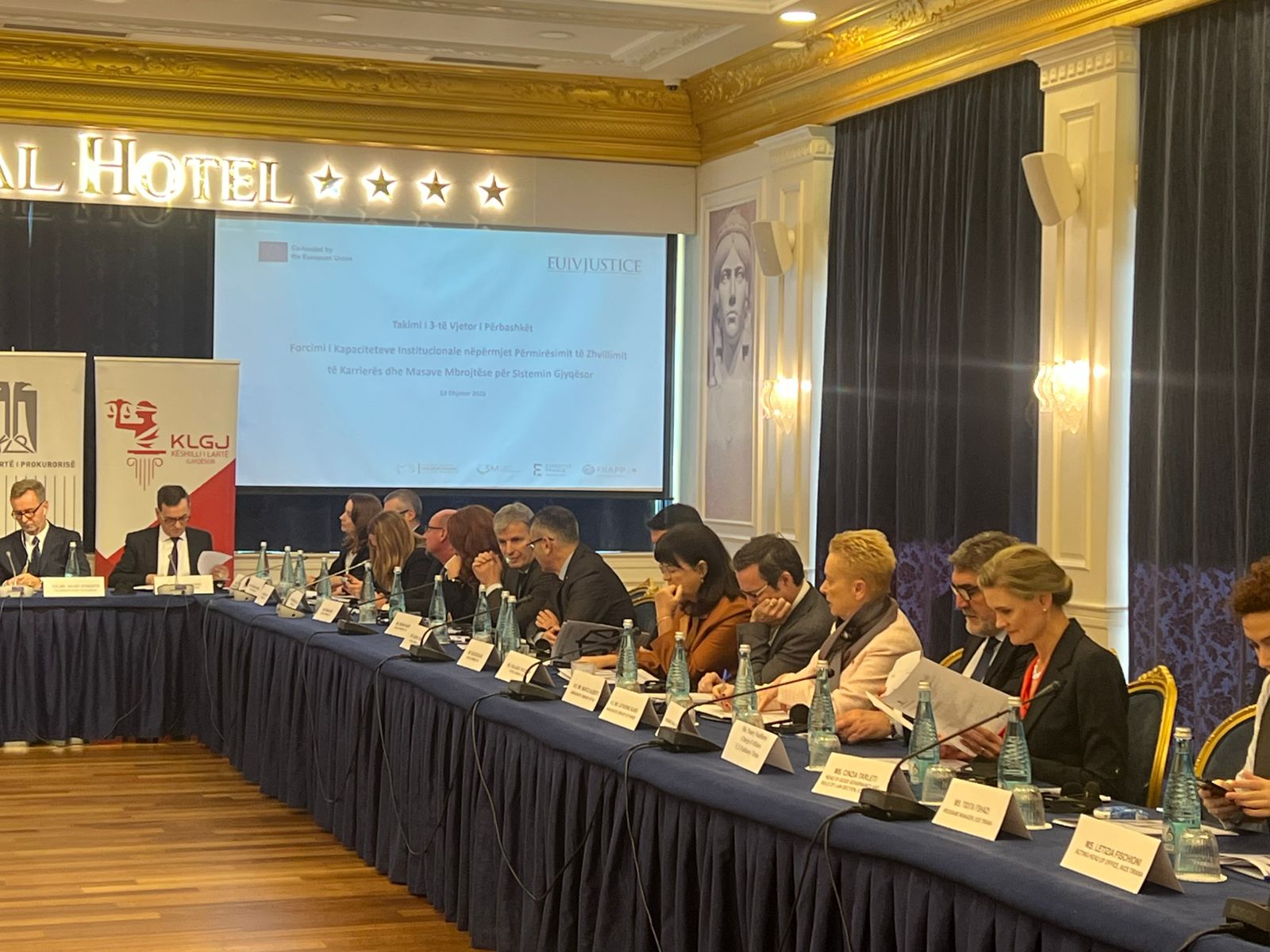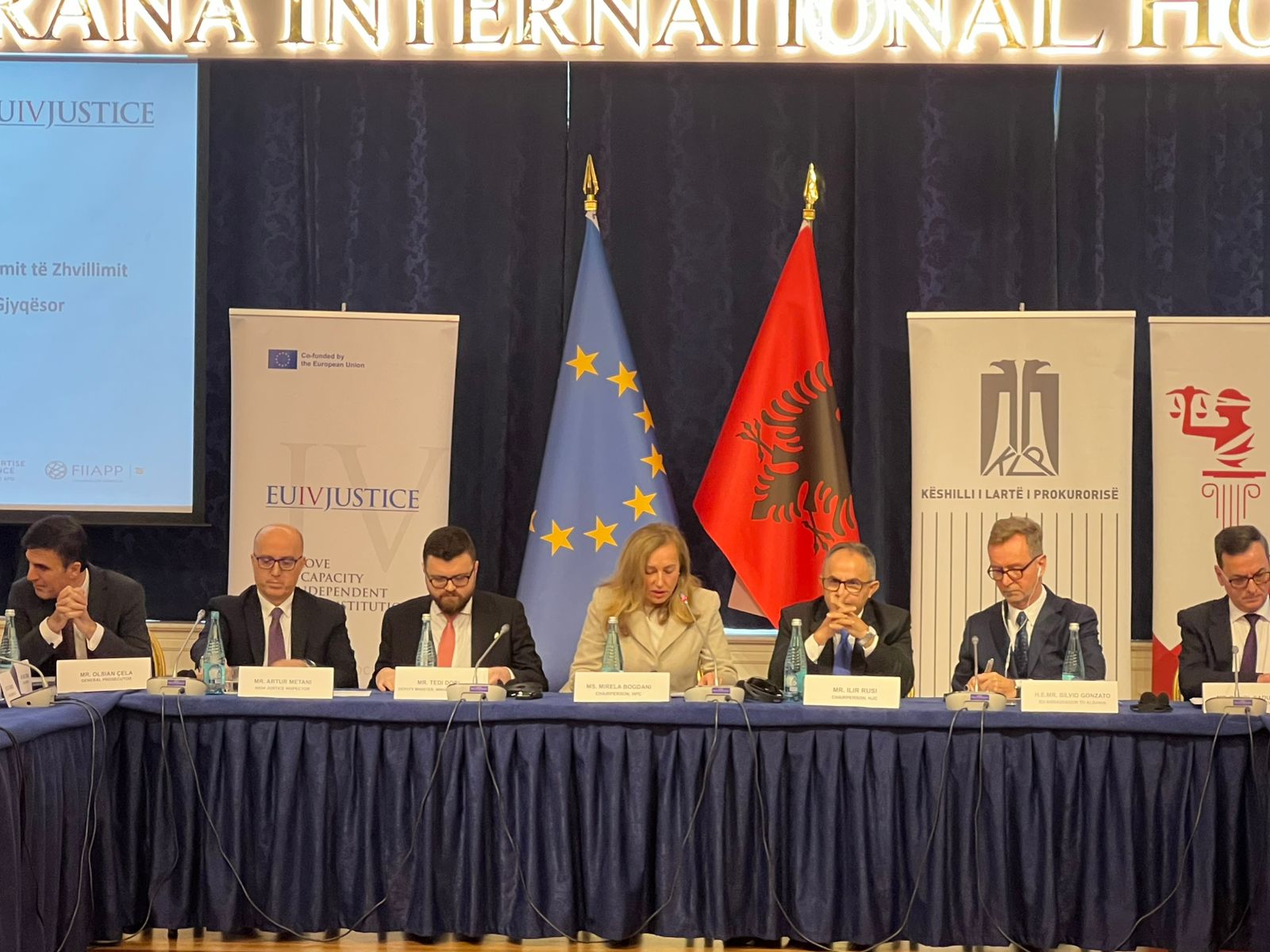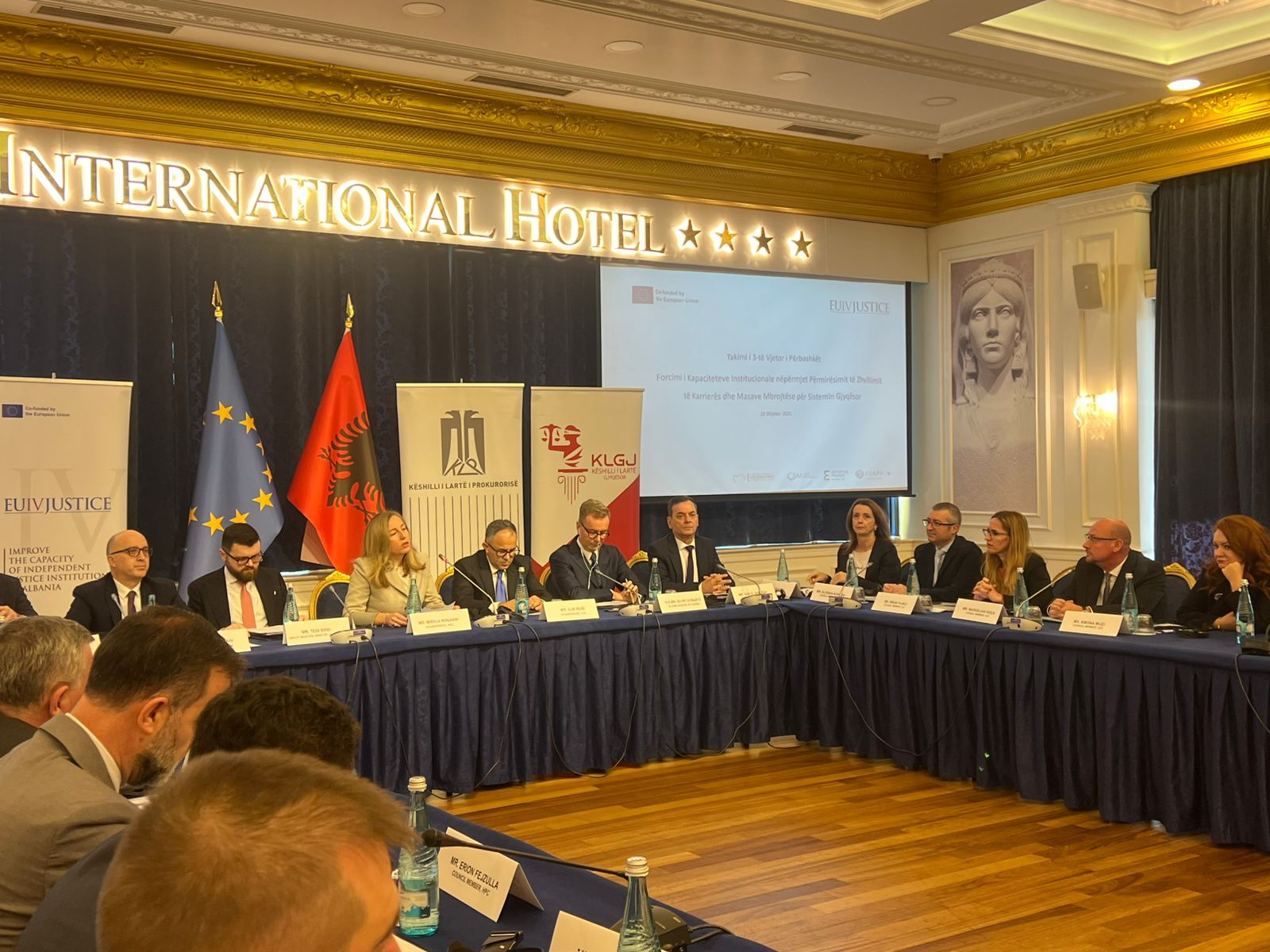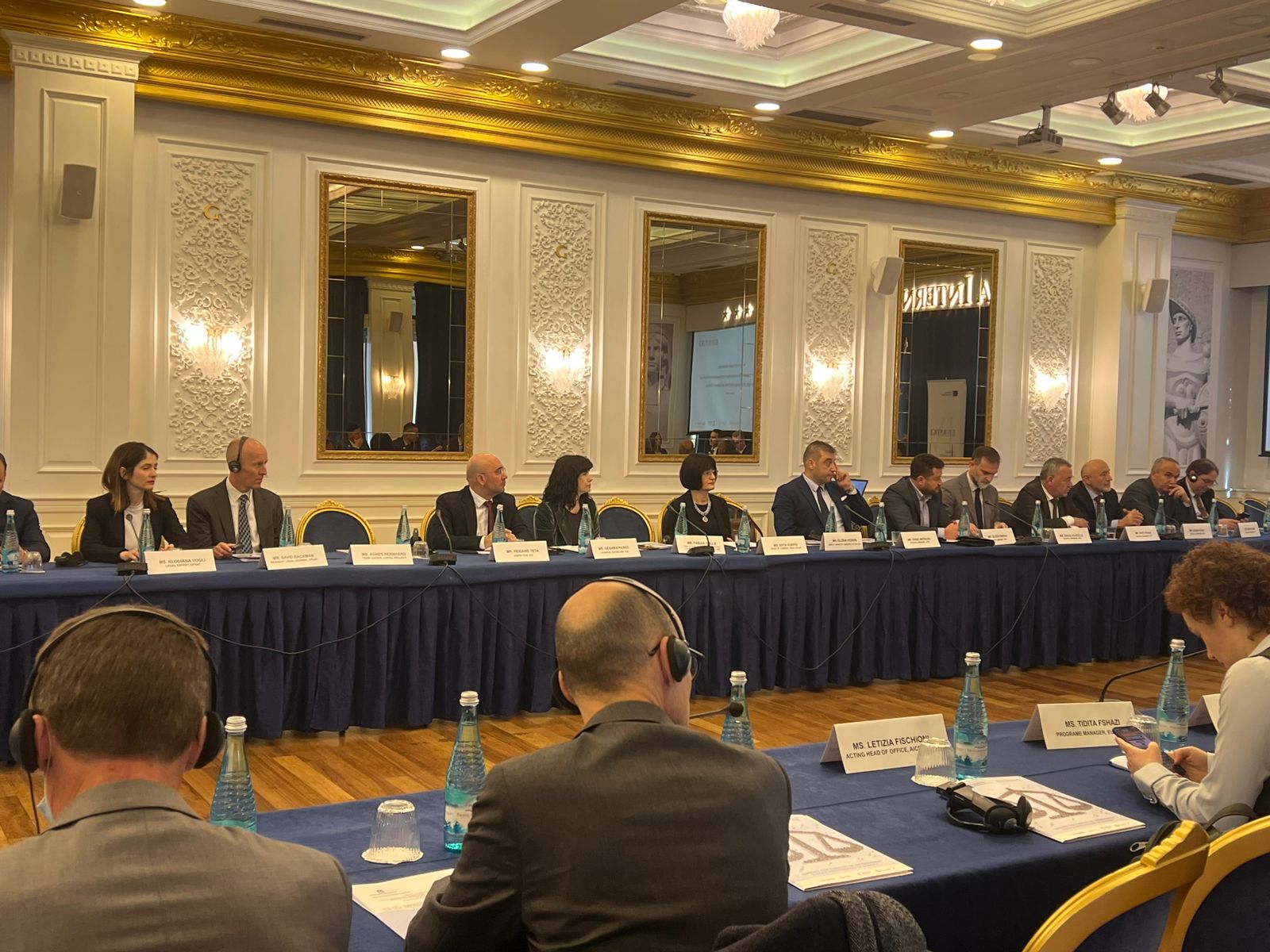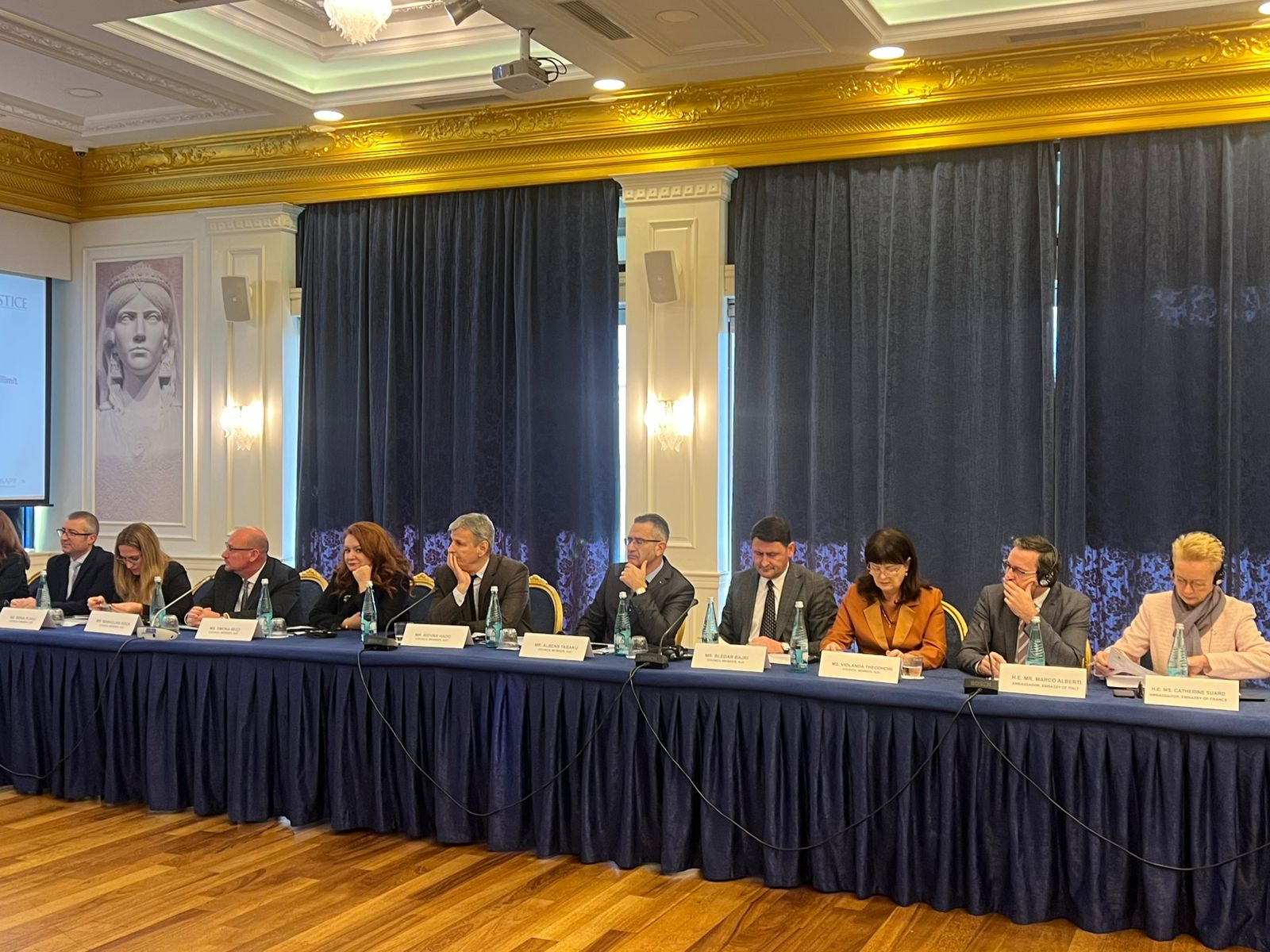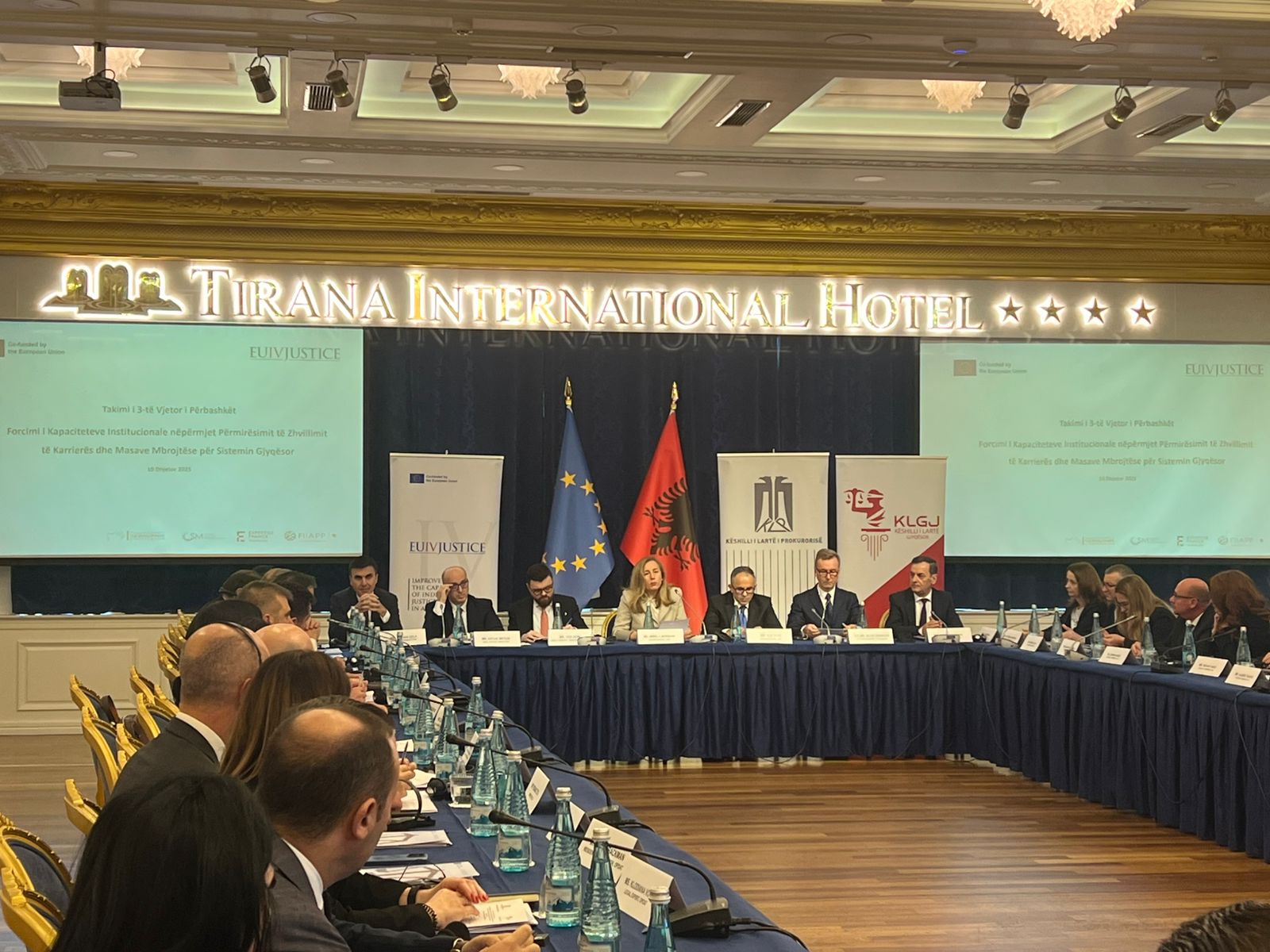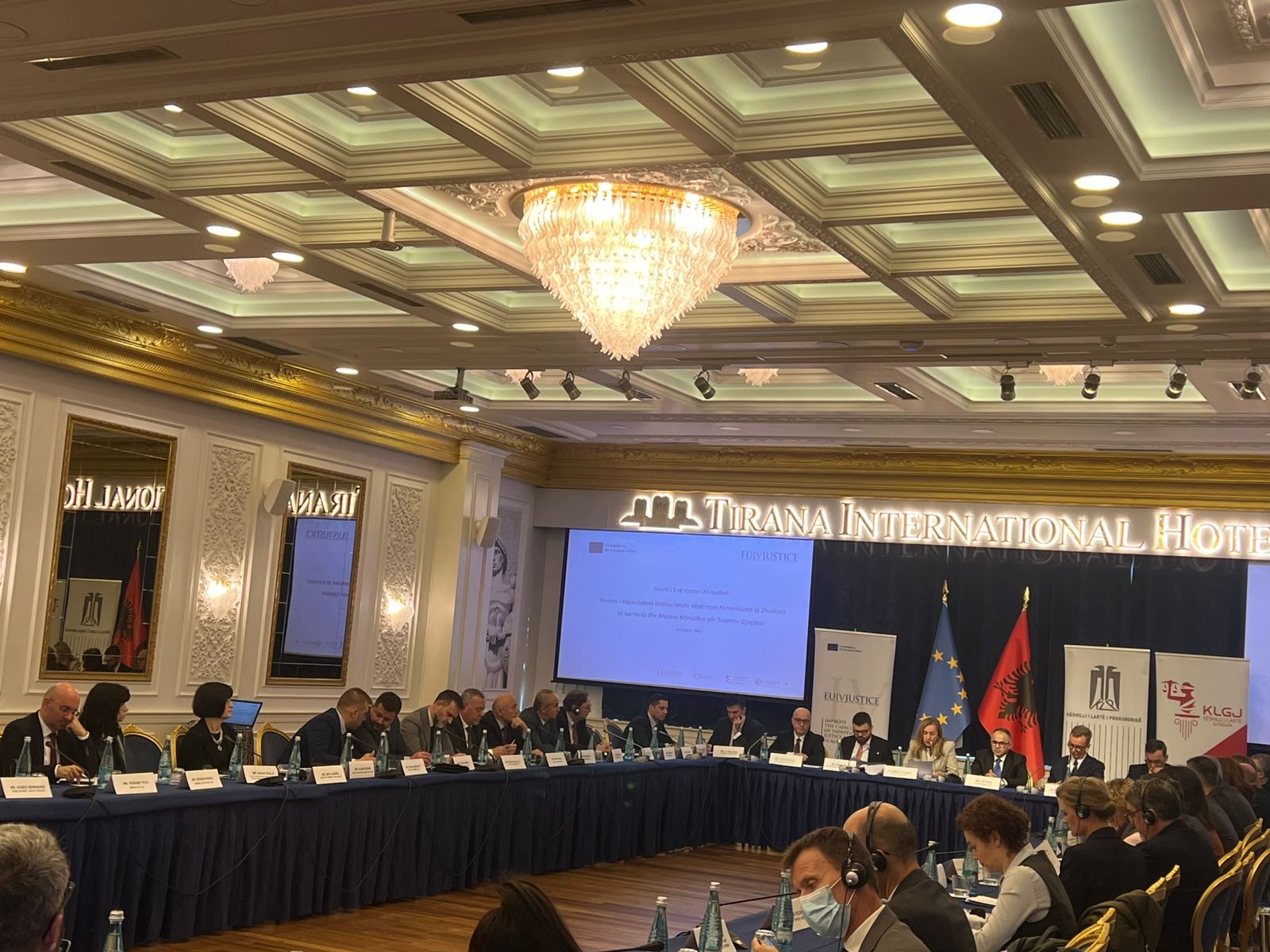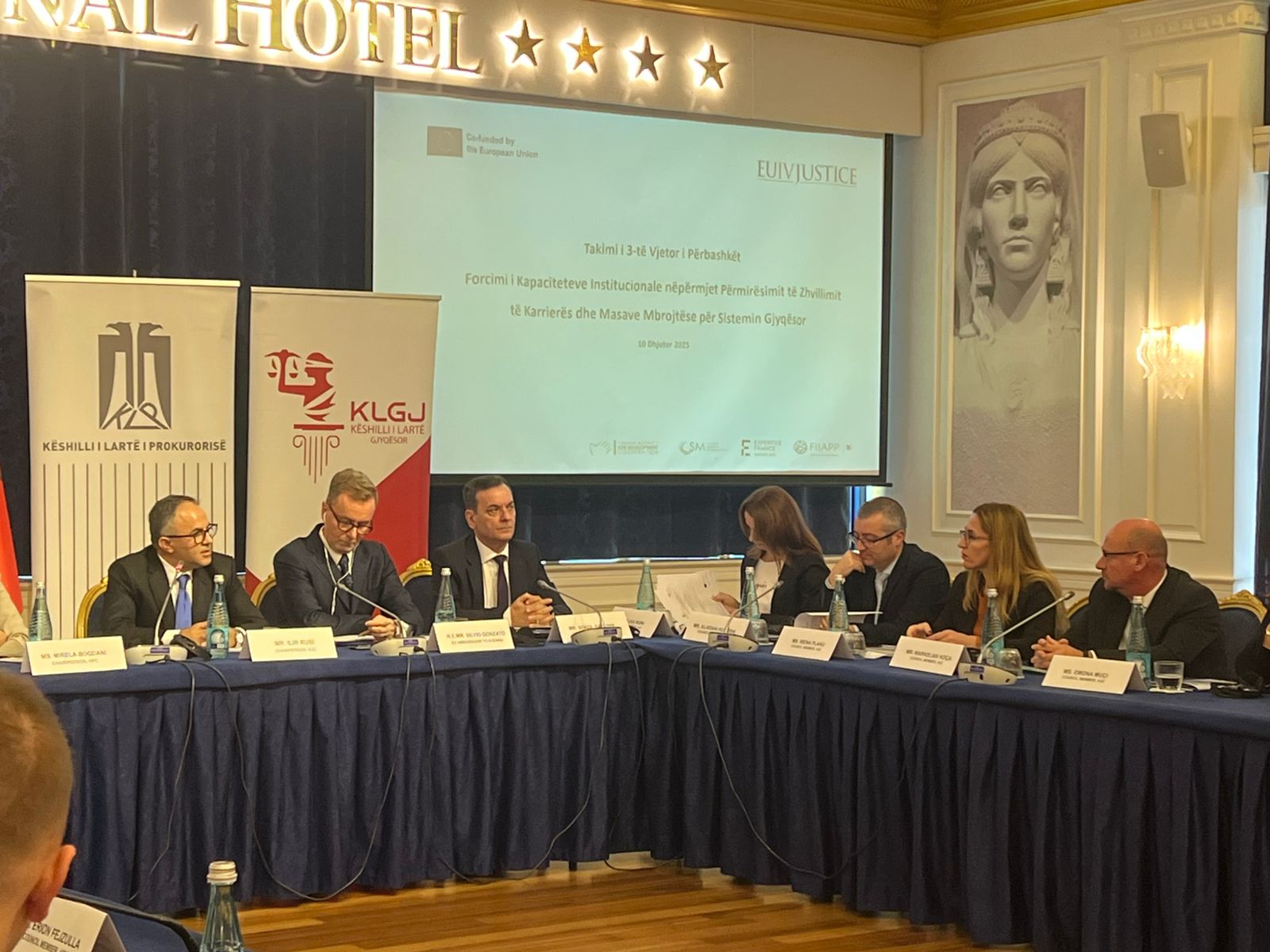
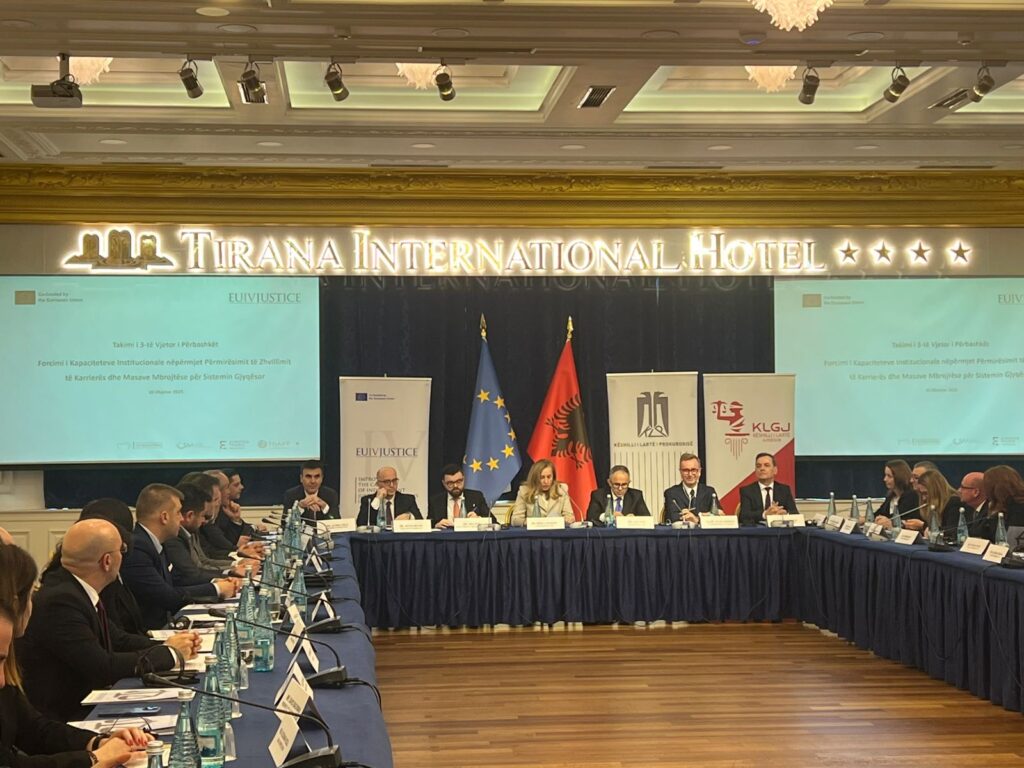
On 10th December 2025, the EU4Justice Project supported the 3rd Annual meeting of the High Prosecutorial Council and High Judicial Council – Strengthening Institutional Capacities by Enhanced Career Development and Safeguarding Measures for the Judicial System.
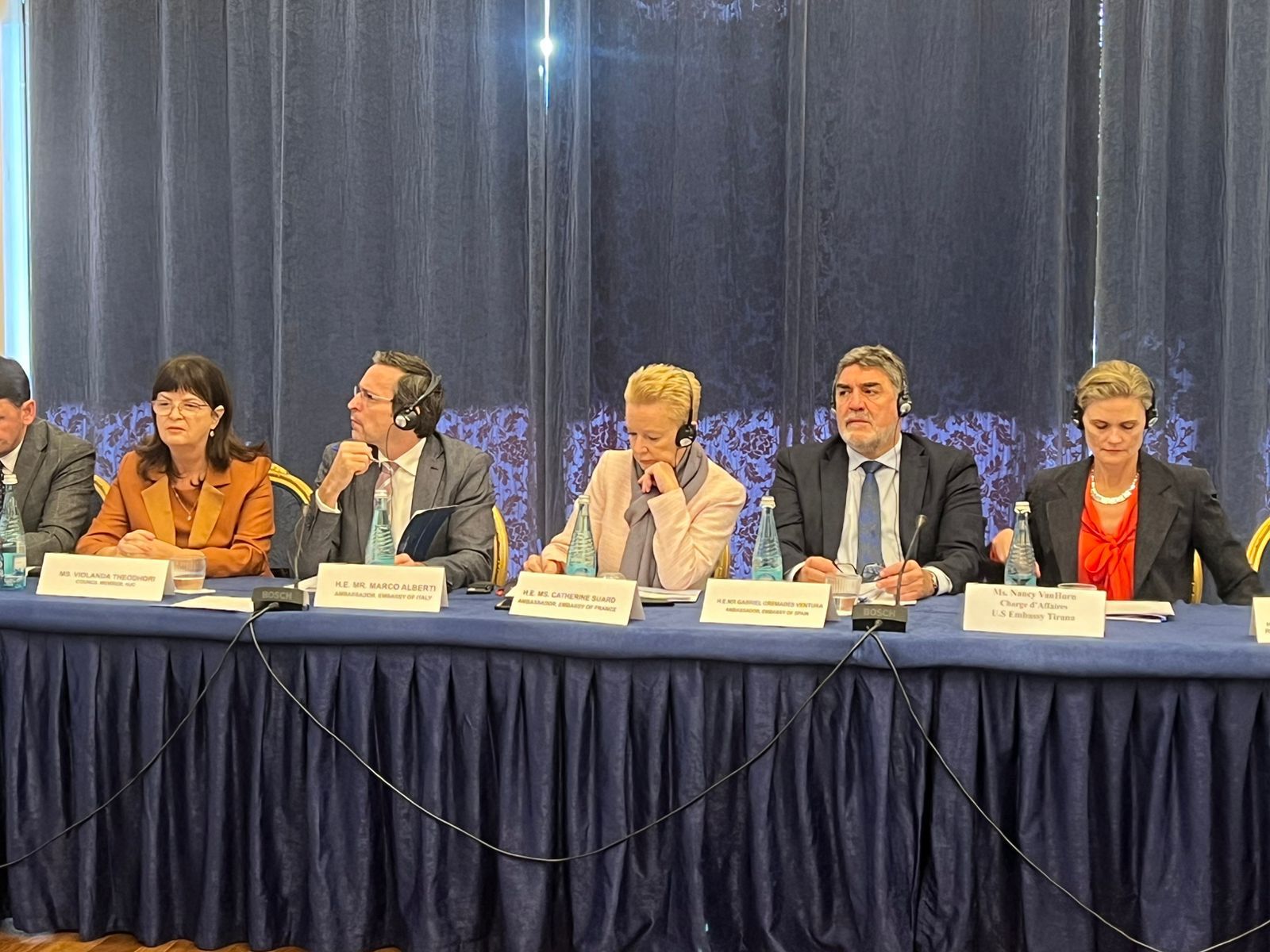
This event brought together members of both Councils, high-level representatives of constitutional institutions of the Republic of Albania, representatives of the judiciary and prosecution system, as well as international partners. Present at this joint meeting were as well H.E. Mr. Silvio Gonzato, the Ambassador of the European Union to Albania, H.E. Ms. Catherine Suard, Ambassador of France; H.E. Mr. Marco Alberti, Ambassador of Italy; H.E. Mr. Gabriel Cremades Ventura, Ambassador of Spain and Ms. Nancy VanHorn, Chargé d’Affaires of the U.S. Embassy. The meeting provided a forum for discussing key issues of mutual interest within the justice system and for further strengthening inter-institutional cooperation and coordination.
The meeting was organized in two sessions. The first session included the welcoming remarks from the Chairpersons of both Councils; Mr. Tedi Dobi, Deputy Minister of Justice; Mr. Artur Metani, the High Justice Inspector; Mr. Sokol Sadushi, Chair of the High Court; Mr. Olsian Çela, General Prosecutor and H.E. Mr. Silvio Gonzato, Ambassador of the European Union to Albania. The speeches highlighted the progress achieved in advancing the Justice Reform in the context of Albania’s European Union accession negotiations, as well as addressed remaining challenges and future priorities.
During the discussions, participants focused on the shared challenges related to the effective functioning, integrity, and sustainability of the justice system, emphasizing the need for strengthened inter-institutional coordination. Particular attention was given to the importance of transparent, objective, and standardized evaluation mechanisms for magistrates as a cornerstone for merit-based career development and for reinforcing public trust in the judiciary. The harmonization of ethical and professional standards across institutions was highlighted as essential to ensuring consistency, accountability, and high performance within the system.
Discussions also addressed the well-being of magistrates and the structural capacities supporting the justice system, including human resources, workload management, and psychosocial support mechanisms. Participants underlined that improving working conditions and addressing professional pressures are critical to safeguarding judicial independence and the quality of decision-making. In this context, the need for increased staffing levels, strengthened administrative support, and sustained investment in judicial infrastructure was identified as a priority for enhancing institutional efficiency and resilience.
Court and prosecution security emerged as another key theme, examined from both an immediate and a long-term perspective. Participants stressed the necessity of establishing clear and unified security standards, alongside comprehensive and forward-looking infrastructure solutions to ensure a safe working environment for magistrates, judicial staff, and court users. Effective coordination with relevant institutions responsible for infrastructure planning and security management was considered essential in this regard.
Overall, participants reaffirmed the value of joint meetings as a strategic platform for exchanging practices, aligning institutional approaches, and developing shared positions on cross-cutting issues. Strengthening cooperation among justice governance institutions was recognized as fundamental to advancing reforms, aligning with European standards in the context of Albania’s EU integration process, and consolidating a justice system that is coherent, resilient, and worthy of public trust. In this spirit, a shared commitment was expressed to further intensify inter-institutional dialogue and cooperation in the future.